
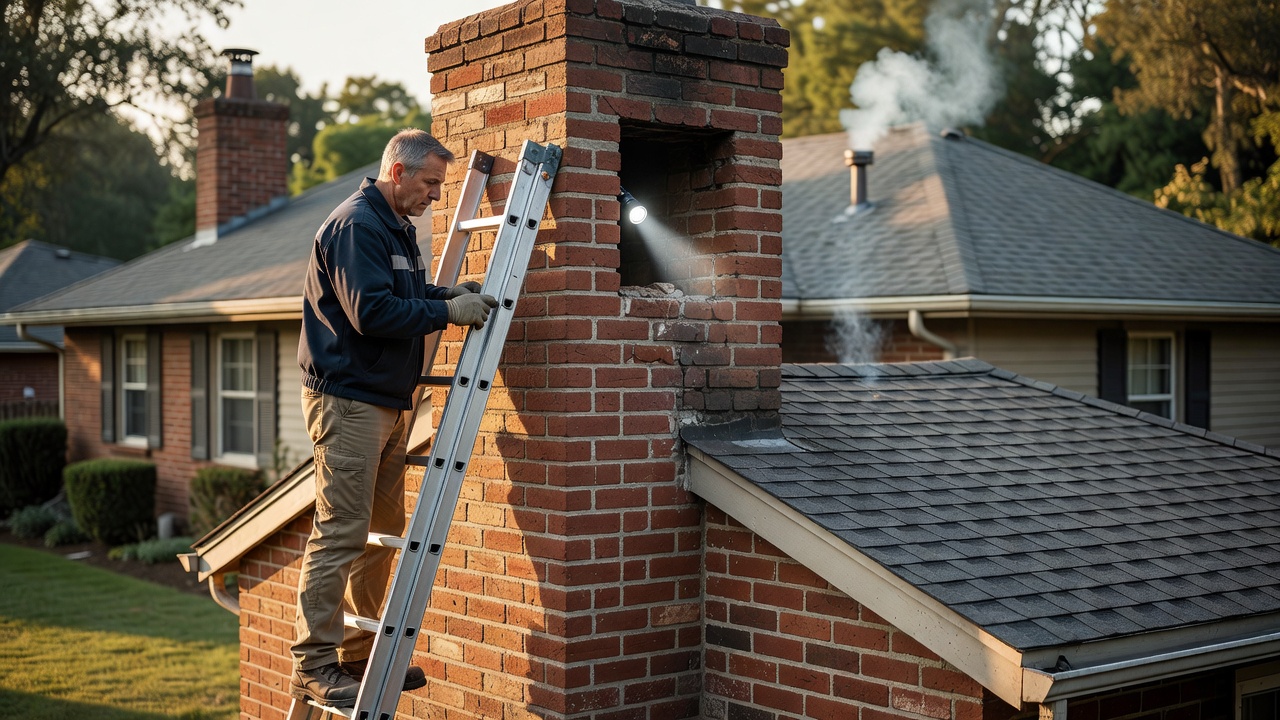
Your Chimney Is Telling You Something — Are You Listening?
Many Bergen County homeowners treat chimney inspections like changing smoke detector batteries important, but easy to postpone. Then the first cold weather arrives, fireplaces are lit for the first time in months, and hidden chimney problems suddenly become urgent.
An annual chimney inspection isn’t simply recommended maintenance it’s an important part of protecting your home and family. According to NFPA 211, chimneys, fireplaces, and venting systems should be inspected at least once every year. The Chimney Safety Institute of America (CSIA) also recommends annual inspections to identify hazards before they become costly or dangerous.
Learning to recognize your chimney’s warning signs can help you address small issues before they develop into major repairs.
The Best Time to Schedule a Chimney Inspection
For homeowners throughout Hackensack, Teaneck, Maywood, and the rest of Bergen County, the ideal time to schedule an inspection is late summer through early fall, typically between August and October.
Scheduling before fireplace season offers several advantages:
- Greater appointment availability
- Faster scheduling
- Time to complete repairs before winter
- Reduced risk of emergency service during peak season
A standard Level 1 chimney inspection typically costs between $150 and $250.
Waiting until a problem develops may require a Level 2 inspection, which generally costs between $300 and $500, depending on the complexity of the chimney system.
Early inspections often identify minor issues before they require expensive repairs such as chimney relining or masonry restoration.
Chimney Warning Signs That Require Immediate Attention
Certain chimney problems should never be ignored.
White Stains on the Chimney Exterior
White, powdery staining known as efflorescence indicates moisture is moving through the chimney masonry.
Over time, water intrusion can lead to:
- Brick deterioration
- Mortar damage
- Spalling
- Structural weakening
Professional evaluation should be scheduled as soon as possible.
Pieces of Clay Tile Inside the Fireplace
Finding broken clay or ceramic fragments inside the firebox often indicates chimney liner deterioration.
A damaged chimney liner can allow excessive heat and combustion gases to escape into surrounding areas, creating serious safety concerns.
Stop using the fireplace until it has been professionally inspected.
Smoke Entering Your Home
If smoke enters the room instead of venting properly through the chimney, possible causes include:
- Chimney blockages
- Drafting problems
- Damaged dampers
- Chimney liner issues
- Creosote buildup
Do not continue using the fireplace until the cause has been identified.
Cracked Firebricks or Mortar
Small cosmetic surface cracks are relatively common, but larger cracks, missing mortar, or visible separation inside the firebox require professional evaluation.
Structural damage can allow excessive heat to reach nearby combustible materials.
Strong Smoky Odors
Persistent smoky odors, especially during humid weather, often indicate excessive creosote buildup.
Heavy creosote accumulation significantly increases the risk of chimney fires and should be professionally removed.
Rust Around the Damper or Firebox
Surface rust may simply indicate excess moisture, but severe rust, warped dampers, or deteriorating metal components can affect both fireplace performance and home energy efficiency.
Chimney Problems That Should Be Scheduled Soon
Some issues may not require emergency service but should still be inspected before the heating season.
Water Inside the Fireplace
Water stains or dripping inside the firebox often indicate:
- Damaged chimney caps
- Cracked chimney crowns
- Flashing problems
Moisture is one of the leading causes of long-term chimney deterioration.
Weak Chimney Draft
If smoke hesitates before entering the chimney or draft performance has gradually declined, professional inspection can identify the underlying cause before it becomes more serious.
Deteriorating Mortar Joints
Mortar joints that appear recessed, cracked, or worn allow moisture to penetrate the chimney structure.
Prompt repairs help prevent more extensive masonry damage during freeze-thaw cycles.
It’s Been More Than One Year
Even if your fireplace appears to be operating normally, annual chimney inspections remain one of the best ways to identify hidden problems before they become expensive repairs.
What Happens During a Professional Chimney Inspection?
A standard Level 1 chimney inspection generally includes:
- Firebox inspection
- Damper evaluation
- Smoke chamber inspection
- Chimney flue evaluation
- Chimney crown inspection
- Chimney cap inspection
- Exterior masonry assessment
- Basic venting evaluation
If hidden damage is suspected, a Level 2 chimney inspection may be recommended.
Level 2 inspections typically include specialized camera equipment that allows technicians to inspect the full length of the chimney liner and identify damage not visible during a routine inspection.
Why Annual Inspections Save Money
Routine chimney inspections frequently uncover problems before they become major repairs.
Preventive inspections help identify:
- Chimney liner damage
- Water intrusion
- Creosote buildup
- Masonry deterioration
- Chimney cap damage
- Drafting issues
- Flashing leaks
Addressing these problems early is almost always less expensive than waiting until significant structural damage develops.
Frequently Asked Questions
1. How often should my chimney be inspected?
The National Fire Protection Association recommends that chimneys, fireplaces, and venting systems be inspected at least once every year, even if they are used only occasionally.
2. What is the difference between a Level 1 and Level 2 chimney inspection?
A Level 1 inspection is a routine annual evaluation of accessible chimney components. A Level 2 inspection includes a camera examination of the chimney liner and is recommended after a chimney fire, when purchasing a home, after changing heating appliances, or whenever hidden damage is suspected.
3. What causes white stains on my chimney?
White staining, known as efflorescence, occurs when moisture moves through masonry and leaves mineral deposits behind. It is often an early warning sign of water intrusion that should be professionally evaluated.
4. Why does my fireplace smell smoky even when I’m not using it?
Persistent smoky odors are commonly caused by creosote buildup, moisture inside the chimney, poor draft, or ventilation issues. A professional inspection can determine the exact cause.
5. Can I use my fireplace if I see cracks inside the firebox?
Minor surface cracks may not be serious, but larger cracks, missing mortar, or damaged chimney liners should always be inspected before using the fireplace. Continuing to burn fires in a damaged system can create significant safety risks.
Schedule Your Chimney Inspection Today
If your chimney is showing any of these warning signs or if it’s simply been more than a year since your last inspection now is the perfect time to schedule professional service before the heating season begins.
Chimney Hackensack proudly serves homeowners throughout Hackensack, Teaneck, Maywood, and surrounding Bergen County communities with professional chimney inspections, chimney cleaning, chimney repairs, masonry restoration, and comprehensive fireplace maintenance. Our CSIA-certified chimney professionals provide honest recommendations, detailed inspection reports, and transparent pricing without unnecessary upselling. Contact us today to schedule your free chimney inspection consultation and ensure your fireplace is safe, efficient, and ready for the colder months ahead.