
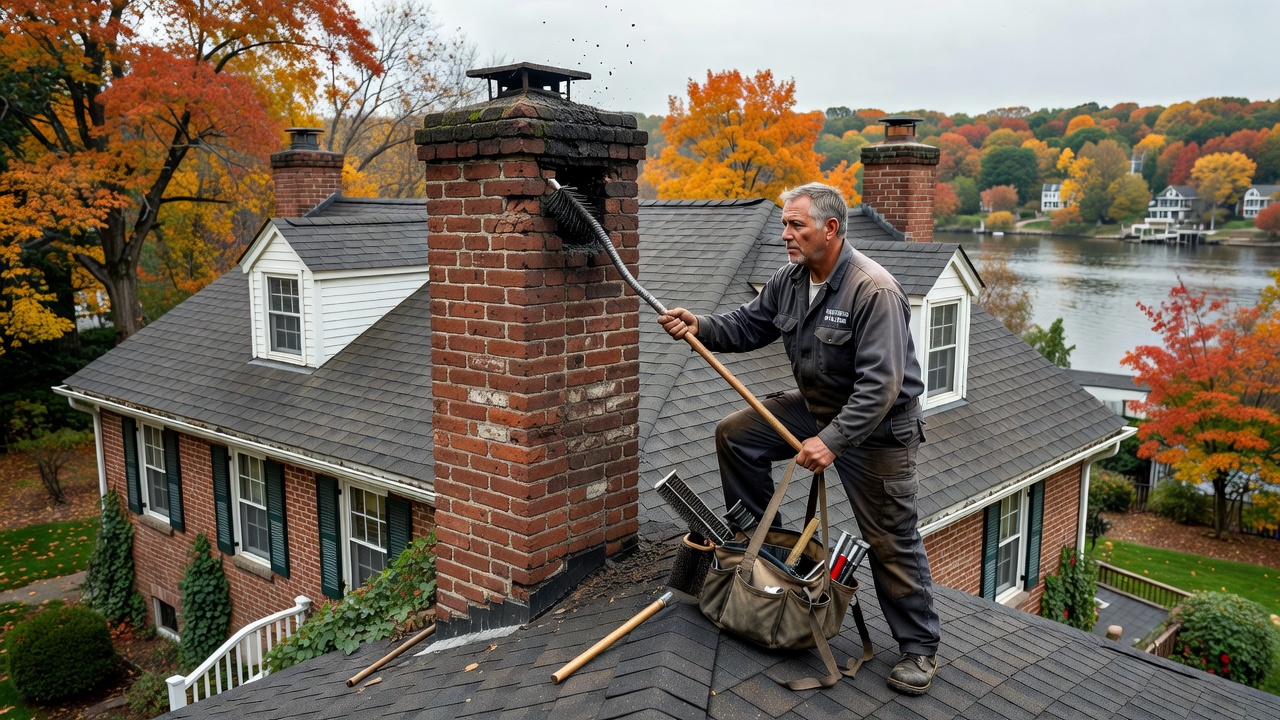
Chimney Sweep in River Edge
Chimney Hackensack NJ advertises chimney sweep services for homeowners in the Hackensack area. If you are looking for a chimney sweep in River Edge, NJ, choosing a nearby provider can make scheduling and follow-up service more convenient. Before booking, confirm that the company serves your address and ask what its cleaning and inspection appointment includes.
River Edge is a Bergen County borough bordered by Hackensack to the south, Oradell to the north, New Milford and Teaneck to the east, and Paramus to the west. The borough also has frontage along the Hackensack River. Its residential development includes a substantial amount of post-World War II housing, along with other types of homes and properties. Chimney condition varies by building, appliance, and maintenance history, so an inspection is the best way to determine what service is needed.
What Chimney Sweeping Includes in a River Edge Home
A chimney sweep removes soot, creosote, and other deposits from the areas of the chimney and venting system that require cleaning. Depending on the fireplace or appliance, the service may include:
-
Flue cleaning: Removing accumulated soot, creosote, and other deposits from the flue.
-
Smoke chamber cleaning: Removing accessible deposits from the smoke chamber when included in the service.
-
Firebox cleaning: Removing loose ash and debris from the fireplace.
-
Obstruction checks: Looking for leaves, nesting material, or other blockages that could interfere with airflow.
-
Damper assessment: Checking whether the damper operates properly and whether visible damage or deterioration is present.
-
Inspection: Evaluating accessible chimney components for deposits, damage, and other conditions that may require attention.
The exact scope depends on the chimney design and the condition of the system. Ask whether the quoted service includes both sweeping and a Level 1 inspection.
Professional chimney sweeps use appropriate brushes and cleaning equipment to remove deposits while controlling dust inside the home. Some use rotary cleaning systems and HEPA-filtered vacuums. If these features matter to you, confirm that the company uses them and ask how it protects floors, furniture, and surrounding areas.
Why Older River Edge Homes May Need Chimney Attention
River Edge experienced significant residential development after World War II. The borough’s 2026 housing element notes that a substantial portion of its existing housing stock was built between the postwar period and 1970. Some older homes may still have original chimney components, while others have undergone heating-system or fireplace upgrades.
If a chimney originally served an oil-fired heating appliance and was later connected to a gas furnace or another appliance, its suitability should be evaluated. The original flue may not meet the venting requirements of the newer equipment. Incorrect sizing or an unsuitable venting arrangement can contribute to condensation, corrosion, and improper exhaust.
A chimney inspection can help identify visible deterioration, blockages, and other concerns. If the appliance or fuel type has changed, ask whether a Level 2 inspection is appropriate.
River Edge Neighborhoods and Nearby Communities
River Edge includes residential areas around Howland Avenue, Central Avenue, Veterans Memorial Park, and the New Bridge Landing historic district. The borough also borders several Bergen County communities, including Hackensack, Oradell, New Milford, Teaneck, and Paramus.
Chimney service availability depends on the contractor’s actual service area and schedule. Homeowners in nearby communities such as Emerson, Bergenfield, and New Milford should confirm coverage directly rather than assume that every provider serves the entire area.
Why Chimneys Can Collect Deposits and Debris
Chimney maintenance needs depend on how a fireplace or heating appliance is used. Wood-burning systems can accumulate creosote, while other venting systems may develop different deposits, corrosion, or blockages.
Several conditions can affect chimney maintenance:
-
Frequent wood burning: More use can mean more soot and creosote accumulation, depending on the wood, appliance, and burning conditions.
-
Wet or unseasoned firewood: Burning wood with high moisture content can contribute to inefficient combustion and increased deposits.
-
Animal activity: Birds and other animals may enter an uncapped or damaged chimney and create obstructions.
-
Leaves and debris: An unsuitable or damaged cap can allow outside material to enter the flue.
-
Moisture intrusion: A damaged chimney crown, cap, flashing, or masonry joints can allow water into the chimney system.
The Hackensack River’s presence is a relevant local geographic feature, but it does not establish that every River Edge chimney experiences faster deterioration or greater debris accumulation. Each property should be assessed individually.
How Often Should a Chimney Be Swept?
The National Fire Protection Association’s NFPA 211 standard calls for chimneys, fireplaces, and vents to be inspected at least once a year for soundness, deposits, and proper clearances. Cleaning, maintenance, and repairs should be performed when necessary.
This means an annual inspection does not automatically require an annual sweep. The cleaning schedule depends on the appliance, fuel, frequency of use, and amount of buildup.
For masonry fireplaces, CSIA recommends cleaning when soot buildup reaches approximately 1/8 inch, or sooner if glazed creosote is present. Frequent wood burning may mean cleaning is needed more often, but the inspection findings should guide the decision.
Gas fireplaces and gas-fired heating appliances also need annual inspection. They generally do not produce wood-burning creosote, but debris, animal nests, corrosion, and venting problems can still affect safe operation. Cleaning should be based on the system’s condition and manufacturer recommendations.
Pricing and What to Expect Before Booking
Chimney sweeping prices vary according to the chimney’s height, accessibility, appliance type, condition, and amount of buildup. A straightforward cleaning is different from a visit involving heavy creosote removal, an obstruction, or additional inspection work.
Before confirming an appointment, ask the provider:
-
What is included in the standard sweep?
-
Is a Level 1 inspection included?
-
Are camera inspections charged separately?
-
Is there an additional travel or service fee?
-
Will the technician provide a written report?
-
Will additional work require your approval before it begins?
Request a written estimate so you understand the scope and cost before the technician starts. The original draft’s $149–$225 price range and no-trip-fee claim should only be published if the company confirms those current terms for River Edge customers.
Frequently Asked Questions About Chimney Sweeping in River Edge
My River Edge home has a gas fireplace insert. Does it still need a chimney inspection?
Yes. Gas appliances generally produce fewer combustible deposits than wood-burning fireplaces, but their venting systems can still develop blockages, corrosion, or other problems. CSIA recommends annual inspections for gas-fired chimney and venting systems. Cleaning should be performed when the inspection identifies a need.
Does living near the Hackensack River cause chimney problems?
The river is an important feature of River Edge’s geography, and some areas of the borough are affected by flooding. However, proximity to the river alone does not establish that a particular chimney has moisture damage.
Homeowners should watch for visible masonry deterioration, water stains, damaged flashing, and cracks around the chimney crown. An inspection can help determine whether moisture is entering the system and where repairs may be needed.
How long does a chimney sweep appointment take?
The time depends on the chimney’s height, accessibility, condition, and the amount of cleaning required. A straightforward sweep may take less time than a visit involving heavy deposits, blockages, or additional inspection work.
Ask the company for an estimated appointment length when scheduling. If the technician discovers a problem that requires additional work, request an explanation and revised estimate before proceeding.
Do I need a Level 2 chimney inspection?
Not for every routine cleaning. A Level 1 inspection is generally appropriate when the chimney and appliance are being used as before and no significant changes or damage are known.
A Level 2 inspection may be appropriate after a chimney fire or other potentially damaging event, when the appliance or fuel type changes, or when a property is sold or transferred. It is more extensive and may include a video scan of the flue interior.
Should I have my chimney swept twice a year if I burn wood regularly?
Not automatically. Frequent use can increase creosote accumulation, but the appropriate cleaning frequency depends on the fuel, burning habits, appliance, and inspection findings. Ask the chimney professional to explain the amount and type of deposits found and whether more frequent cleaning is justified.
Schedule Your Chimney Sweep in River Edge, NJ
If your fireplace or heating system has not been inspected recently, arranging an annual inspection is a sensible first step. A qualified chimney professional can evaluate the system, determine whether cleaning is needed, and identify any maintenance concerns before the next heating season.
Chimney Hackensack NJ is the company named in the original service information. Before booking, confirm that it currently serves River Edge, ask what its standard chimney sweep includes, and request a written estimate.
A properly maintained chimney supports reliable venting and helps reduce the risks associated with excessive deposits and blockages. Schedule an inspection based on your system’s condition rather than assuming every chimney needs the same cleaning schedule.
Related from Chimney Hackensack NJ: Chimney Sweep in Hackensack — Protecting Bergen County Homes From the · Chimney Sweep in Maywood, NJ