
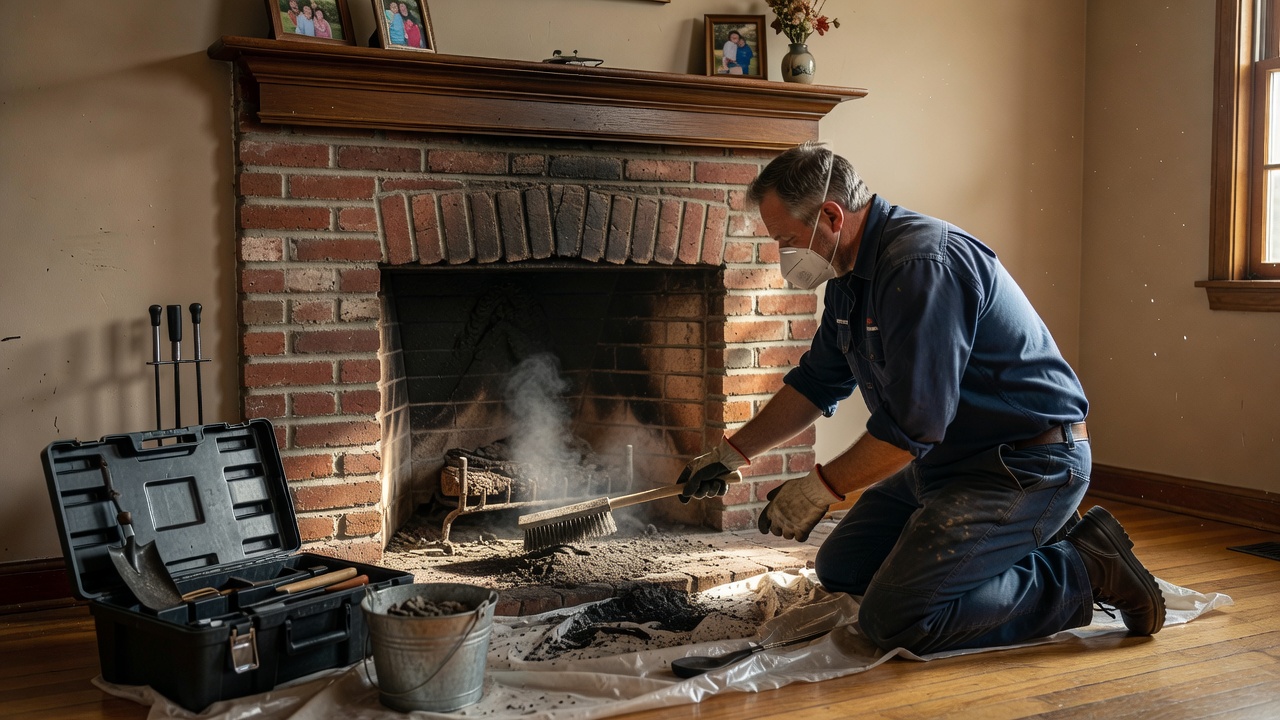
Fireplace Cleaning in Hackensack, NJ: Common Problems and When to Fix Them
Many homeowners in Hackensack, New Jersey, start thinking about fireplace cleaning when temperatures drop in October. However, chimney problems can develop throughout the year, even when the fireplace is not in use. Creosote buildup, damaged flue liners, faulty dampers, and deteriorating masonry can affect fireplace performance and create safety concerns. Scheduling an annual inspection gives you an opportunity to identify problems before the heating season begins. This guide explains common issues found during fireplace cleaning in Hackensack, how professionals assess them, and when repairs may be necessary.
Creosote Buildup Inside the Chimney
Symptoms: A strong smoky odor, dark deposits around the fireplace opening, or smoke that does not vent properly may indicate a chimney problem. However, these symptoms alone do not confirm creosote buildup.
Cause: Creosote forms when wood combustion produces gases and particles that condense inside the cooler chimney. The amount and consistency of the deposits depend on factors such as wood moisture, burning practices, and chimney conditions. Heavy or glazed deposits can be difficult to remove and increase the risk of a chimney fire.
How it is fixed: A chimney professional inspects the flue and determines which cleaning method is appropriate. Standard mechanical brushing can remove many deposits, while hard or glazed creosote may require specialized professional tools or treatment before mechanical removal. Chemical products do not replace professional cleaning and inspection.
Can it be prevented? Burning properly seasoned wood, avoiding wet wood, and following the fireplace manufacturer’s operating instructions can help reduce excessive creosote buildup. Arrange an annual inspection and have the chimney cleaned when the findings indicate it is necessary.
A Cracked or Deteriorating Flue Liner
Symptoms: Pieces of clay tile in the firebox, unusual odors, visible damage, or a previous inspection report identifying cracks may indicate a liner problem. These signs require assessment rather than a diagnosis based on appearance alone.
Cause: Clay tile liners can crack or deteriorate over time because of heat exposure, moisture, settling, or a chimney fire. Metal liners can also become damaged or corroded, depending on the material and operating conditions. A compromised liner may no longer contain combustion products or protect surrounding materials as intended.
How it is diagnosed: A professional examines the accessible portions of the chimney and determines whether a more detailed inspection is needed. A Level 2 inspection includes an internal video scan or similar examination of the flue, along with additional accessible areas. It may be appropriate after a chimney fire, a change in appliance or fuel, a property transfer, or an event that may have damaged the system.
How it is fixed: The appropriate solution depends on the extent of damage and the appliance connected to the chimney. Options may include an approved localized repair, replacement of damaged components, or installation of a new liner. A qualified professional should explain the findings and why the recommended repair is suitable.
Can it be prevented? Not all liner deterioration can be prevented. Annual inspections can help identify visible damage, deposits, and other problems before they become more serious. If a chimney fire is suspected, do not use the fireplace again until a qualified professional has inspected it and determined what work is needed.
A Damaged or Missing Damper
Symptoms: Cold air entering the room when the fireplace is not in use, difficulty operating the damper, or smoke that does not vent properly may indicate a damper or draft problem.
Cause: A throat damper sits above the firebox and helps control airflow through the chimney. Over time, its metal components can corrode, warp, or break. Debris and mechanical damage can also interfere with its operation.
How it is fixed: A technician checks the damper’s movement and condition. Depending on the fireplace design, repair may involve adjusting or replacing the existing unit or installing a compatible top-mounted damper. The correct solution depends on the chimney configuration and the manufacturer’s requirements.
Can it be prevented? Include the damper in routine fireplace inspections. Before lighting a fire, make sure the damper is fully open. Close it only after the fire and embers have completely extinguished and the fireplace is safe to close, following the manufacturer’s instructions.
Deteriorating Mortar Joints and Brickwork
Symptoms: Crumbling mortar, loose or flaking brick faces, white deposits on masonry, or water stains near the chimney may indicate moisture intrusion or deterioration.
Cause: Water can enter small cracks and contribute to masonry damage. Repeated freezing and thawing can worsen existing defects, while damaged flashing, crowns, or caps may allow additional moisture to enter the structure.
How it is diagnosed: A chimney professional examines the exterior masonry, crown, flashing, and other accessible components. White staining, known as efflorescence, can indicate that moisture has moved through masonry, but it does not by itself establish the source or severity of the problem.
How it is fixed: Depending on the findings, repairs may include tuckpointing deteriorated mortar, repairing or rebuilding the crown, correcting flashing problems, or replacing damaged bricks. Mortar should be selected to suit the existing masonry and repair requirements.
Can it be prevented? Keep the chimney crown, flashing, and masonry in good condition. A compatible, vapor-permeable masonry water repellent may be appropriate in some situations after the underlying defects have been addressed. A sealer is not a substitute for repairing damaged masonry or correcting water entry.
Smoke Entering the Room
Symptoms: Smoke entering the living space instead of rising through the chimney, persistent smoke odors, or difficulty maintaining a fire may indicate a draft or venting problem.
Cause: Smoke rollout can have several causes. These include a blocked flue, heavy deposits, a closed damper, an improperly sized flue, inadequate combustion air, or pressure differences within the home. A cold chimney can also affect draft when a fire is first lit.
How it is diagnosed: A qualified professional checks for obstructions, assesses the damper and flue, and evaluates other factors that could affect draft. The solution depends on the cause, so smoke entering the room should not automatically be attributed to a cold flue.
How it is fixed: The remedy may involve removing an obstruction, cleaning the chimney, correcting a damper problem, or addressing an appliance, sizing, or ventilation issue. A professional should identify the cause before recommending a repair.
Important safety note: If smoke enters the room, stop using the fireplace. Do not keep burning wood while trying different draft tricks. If a carbon monoxide alarm sounds or carbon monoxide exposure is suspected, get everyone outside immediately and call 911 from a safe location.
Why Schedule Fireplace Cleaning Before the Heating Season?
Late summer and early fall can be convenient times to schedule chimney service in Hackensack and nearby Bergen County communities. Booking ahead gives you time to arrange an inspection, review the findings, and complete repairs before you want to use the fireplace regularly.
If an inspection identifies a cracked liner, damaged damper, or deteriorating masonry, additional work may be needed. Scheduling early can give you more flexibility to compare estimates and arrange the appropriate repair. However, appointment availability varies by company, and no particular month guarantees a lower price.
The CSIA recommends annual chimney inspections, with cleaning, maintenance, and repairs performed when necessary. This does not mean every fireplace requires a full cleaning after every heating season. The required service depends on the amount of use, the type of appliance, and the condition of the system.
Waiting until the first cold night can leave less time to address a problem before use. If you have not had your chimney inspected in the past year, consider arranging service before lighting your first fire.
Schedule Fireplace Cleaning in Hackensack, NJ
A professional chimney inspection can help determine whether your fireplace needs cleaning, repairs, or further evaluation. Whether you are concerned about creosote, liner damage, a faulty damper, or deteriorating masonry, ask for an explanation of the findings and a written estimate before authorizing additional work.
Chimney Hackensack is named as a provider serving Hackensack and nearby Bergen County communities, including Teaneck and Maywood. Before publishing the company’s service claims, verify its current service area, technician qualifications, and whether it offers free inspections.
If your fireplace has not been inspected recently, arrange an appointment with a qualified chimney professional. Addressing documented problems before regular use can help you make informed decisions about maintenance and repairs.
Related from Chimney Hackensack NJ: Chimney Sweep in Hackensack — Protecting Bergen County Homes From the · Chimney Cleaning in Hackensack, NJ