
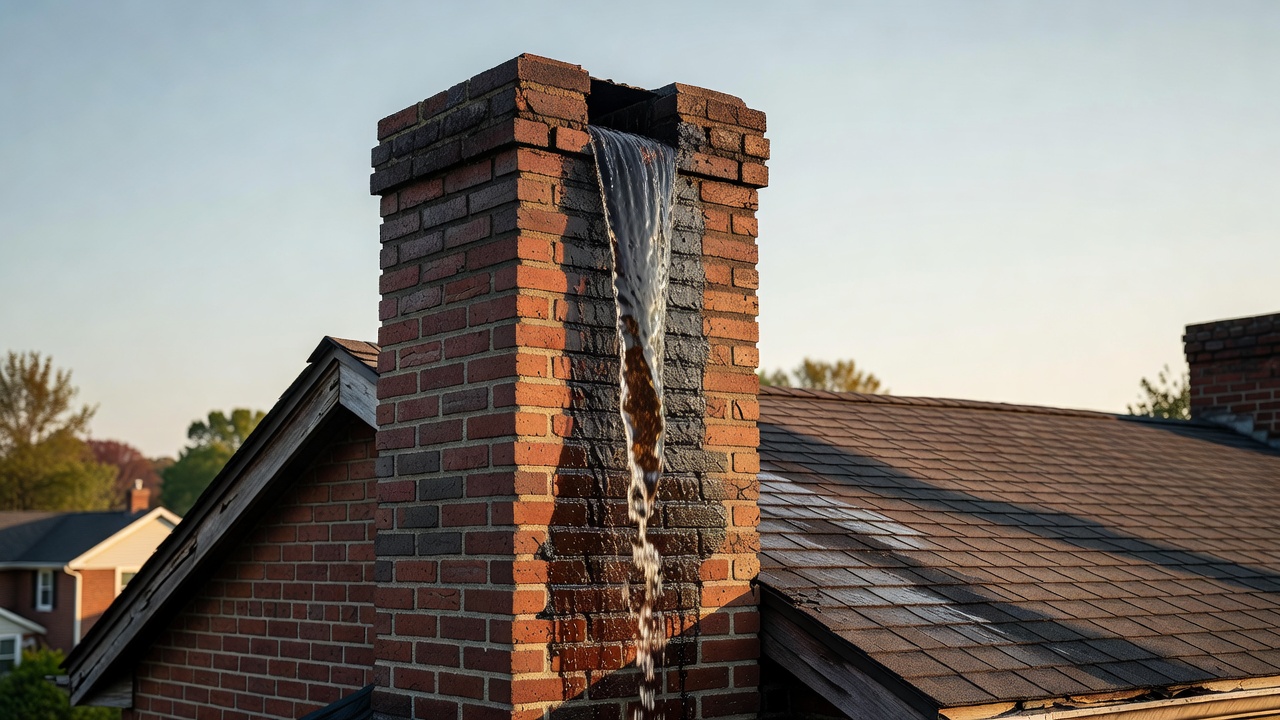
What Goes Wrong When a Chimney Cap Is Missing or Installed Wrong in Hackensack and Rutherford
Most homeowners in Rutherford and Hackensack don’t think about their chimney cap until something goes wrong inside the house. By then, the damage may already be done. A missing or poorly fitted cap is a common finding during chimney inspections in Bergen County, and it can lead to surprisingly expensive problems.
This guide explains what a technician may find when a chimney cap has failed, been installed incorrectly, or is missing entirely. Understanding these problems can help homeowners recognize issues early and know when professional service is needed.
Water in the Firebox After Every Rain
What you notice: The firebox floor is damp or visibly wet after heavy rain. You may also notice a mildew smell coming from the fireplace or rust on the damper plate.
What’s actually happening: Without a cap, rainwater can enter directly through the flue and collect in the smoke chamber or firebox. Older Rutherford homes may have clay tile liner systems that absorb moisture over time. This can contribute to spalling, where the tile surface cracks and flakes away.
A damaged liner can compromise the chimney system and allow combustion gases to migrate through cracks. NFPA 211 addresses the importance of maintaining the integrity of chimney liners.
The professional fix: A CSIA-certified technician can perform a visual inspection and, when appropriate, a Level 2 video inspection of the liner before recommending a replacement cap. If the liner remains in good condition, a correctly sized stainless-steel cap with a mesh screen can help protect the flue from further water intrusion.
If liner damage is discovered, the liner may need to be repaired or relined before a new cap is installed. A standard single-flue stainless steel cap typically costs around $150 to $350 installed, while larger or multi-flue systems can cost more.
Can this be prevented? Yes. Regular inspections can identify missing or damaged caps before water intrusion causes more extensive damage.
Animals Getting into the Flue
What you notice: You may hear scratching or chirping inside the chimney, especially during spring. You might also see nesting material near the damper or notice an unusual smoky smell when the fireplace hasn’t been used.
What’s actually happening: Open chimney flues can provide easy access for birds, squirrels, raccoons, and other animals. Once an animal enters the flue, nesting material or debris can restrict airflow and create additional problems.
Some bird species are protected by federal law, so active nests should not simply be removed without determining the appropriate course of action.
The professional fix: Animal remediation should come first when an animal or active nest is present. Once the flue is clear and inspected, a properly fitted cap with an appropriate mesh screen can help prevent future intrusion.
Stainless steel caps generally provide better long-term durability than lower-cost galvanized options, particularly in areas exposed to moisture and repeated freeze-thaw cycles.
Can this be prevented? In many cases, yes. A properly installed cap is one of the most effective ways to keep animals and debris out of an open flue.
Downdraft and Smoke Coming into the Living Room
What you notice: Smoke backs up into the room when you open the damper. You may notice puffing from the firebox when it’s windy, or a lingering smoke smell after a fire.
What’s actually happening: Smoke problems can have several causes, and the cap is only one possibility. A poorly sized or improperly designed cap can affect airflow at the flue termination and contribute to draft problems.
Chimney height, surrounding structures, trees, rooflines, and the design of the flue can also influence draft. That’s why replacing the cap without diagnosing the problem first may not solve the issue.
The professional fix: A technician should evaluate the flue dimensions, chimney height, surrounding roofline, and existing cap before recommending a replacement. Depending on the cause, a different cap design may improve draft performance.
Simply installing another generic cap without determining why the original system is having trouble can leave the underlying problem unresolved.
Can this be prevented? Often. Proper sizing and installation are important when selecting a chimney cap, particularly on chimneys affected by wind or nearby structures.
Rust and Staining on the Crown and Exterior Masonry
What you notice: You may see brown streaks running down the chimney, orange staining around the mortar joints, or cracks and deterioration in the chimney crown.
What’s actually happening: A deteriorating cap can allow water to reach the chimney crown and masonry. A cap that lacks an effective drip edge may also allow water to run down the sides of the crown.
Repeated moisture exposure combined with winter freezing and thawing can accelerate deterioration. Once water gets into cracks in the crown or masonry, freezing temperatures can cause those cracks to expand.
The professional fix: Depending on the condition, the solution may involve replacing the cap along with repairing or sealing the crown. A properly installed cap should direct water away from the chimney structure.
Crown repair in Hackensack and the surrounding area can range from approximately $200 to $600, depending on the extent of the damage and accessibility.
Can this be prevented? Regular inspection and proper maintenance can help identify crown and cap problems before they develop into larger masonry repairs.
Spark and Ember Escape Creating a Fire Risk
What you notice: You may notice small burn marks on the roof or see embers landing on the roof after using a wood-burning fireplace.
What’s actually happening: A properly designed chimney cap can include a spark arrestor screen that helps prevent embers from leaving the chimney. If the screen is missing, damaged, or badly corroded, embers can potentially escape and land on nearby roofing materials.
The condition of the screen is particularly important for wood-burning fireplaces because the system is exposed to sparks and combustion byproducts.
The professional fix: A technician can install a properly fitted cap with an appropriate spark arrestor screen and check the screen during future inspections and cleaning visits.
The mesh should be appropriately sized so it can help contain sparks without becoming excessively restricted by debris or creosote.
Can this be prevented? Yes. Maintaining a properly fitted cap with an intact spark arrestor is an important part of chimney maintenance.
Getting This Right in Hackensack and Rutherford
The common thread in these problems is simple: a relatively small component can protect the entire chimney system from water, animals, debris, and sparks. When that component is missing, damaged, or improperly fitted, the resulting problems can become much more expensive.
Bergen County’s weather can add to the challenge. Repeated exposure to rain, freezing temperatures, and thawing can accelerate deterioration in masonry and chimney components.
A proper chimney cap installation isn’t necessarily complicated, but the assessment beforehand matters. The cap needs to fit the flue correctly, the crown should be evaluated, and the surrounding chimney system should be checked for existing damage.
If you’re unsure whether your chimney cap is properly sized, still intact, or installed correctly, a professional inspection is a good place to start. We offer free chimney inspections in Hackensack, Rutherford, Teaneck, Maywood, and throughout Bergen County. Contact us to schedule an inspection and find out what your chimney actually needs before a small cap problem becomes a larger repair.
Related from Chimney Hackensack NJ: Chimney Cleaning in Hackensack, NJ · Chimney Repair in Hackensack, NJ