
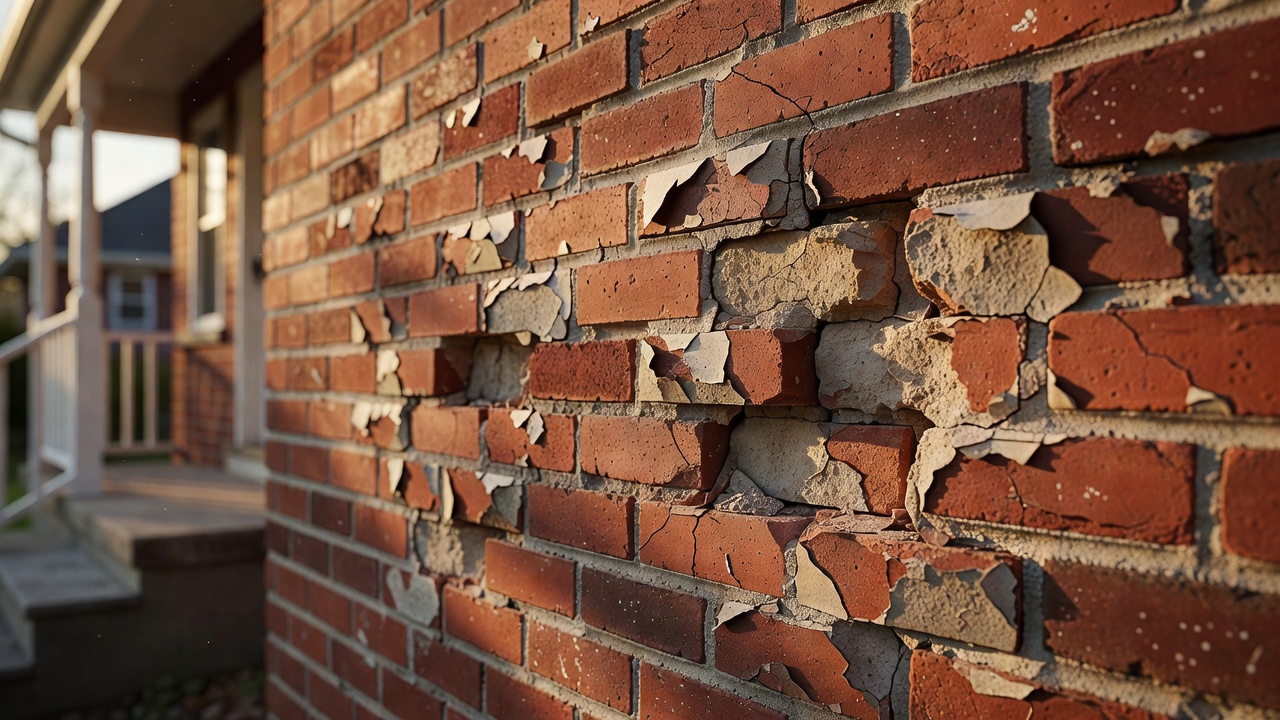
Cracked Mortar and Spalling Brick: When Maywood Homeowners Can Fix It Themselves and When They Absolutely Cannot
Hackensack experiences cold winters, and nearby Maywood faces the same freeze-thaw cycles that can gradually damage masonry chimneys. A chimney that appears solid in the fall may emerge in the spring with deteriorating mortar joints, spalling bricks, or a cracked chimney crown. One of the most common questions homeowners ask is whether they can repair the damage themselves or if professional help is necessary.
The answer depends on the type and extent of the damage. Some maintenance tasks are suitable for experienced homeowners, while structural masonry repairs require specialized knowledge and equipment.
How Freeze-Thaw Cycles Damage Chimneys
Water is one of the leading causes of chimney deterioration. Moisture enters mortar joints and porous brick surfaces, then expands as it freezes. Repeated freezing and thawing places stress on the masonry, which can eventually cause mortar to crumble, bricks to crack, and chimney components to weaken.
The National Fire Protection Association standard NFPA 211 recommends that chimneys remain structurally sound and free of conditions that allow deterioration to continue. The Chimney Safety Institute of America also recommends annual chimney inspections because identifying masonry issues early can often reduce the scope of future repairs.
Many homes in Maywood were built between the 1940s and 1970s. Chimneys from this period often contain softer lime-based mortar, which generally weathers more quickly than many modern mortar formulations. If your home has an older masonry chimney that has not been inspected in several years, an inspection may help determine whether repairs are needed.
Chimney Maintenance Many Homeowners Can Handle
Not every chimney issue requires a masonry contractor. Some routine maintenance tasks may be appropriate for homeowners who are comfortable working safely and following manufacturer instructions.
Replace a Chimney Cap
A damaged or missing chimney cap allows rainwater, debris, and animals to enter the flue. Replacing a properly sized chimney cap on an accessible, single-flue chimney is a project that many homeowners can complete with basic tools.
Inspect and Clean the Damper
The throat damper can be visually inspected from inside the fireplace for rust, debris, or restricted movement. Light cleaning around the firebox and smoke shelf is also generally manageable for homeowners.
Remove Minor Efflorescence
White mineral deposits, known as efflorescence, are usually cosmetic. A stiff nylon brush and an appropriate masonry cleaner can often remove the staining. However, recurring efflorescence may indicate ongoing moisture intrusion that should be evaluated.
Re-Caulk Flashing Seams
If the chimney flashing remains securely installed, replacing deteriorated sealant around the flashing perimeter with a high-temperature masonry sealant may help prevent water intrusion. If the flashing itself has pulled away, become damaged, or was improperly installed, additional repairs are typically required.
When DIY Masonry Repairs Become Risky
Some chimney repairs appear straightforward but require specialized materials and techniques to perform correctly.
Tuckpointing Requires More Than New Mortar
Removing deteriorated mortar and installing new mortar, known as tuckpointing or repointing, requires selecting a mortar that is compatible with the existing brick.
Many older chimneys were built using softer bricks and lime-rich mortar. Using a harder mortar than the original construction may increase stress on the surrounding brick during seasonal expansion and contraction, potentially contributing to additional brick deterioration over time.
Successful tuckpointing also requires removing deteriorated mortar to an appropriate depth before new mortar is installed. If damaged material remains, the repair may have a shorter service life.
Repairs That Should Be Left to Professionals
Certain chimney conditions involve structural concerns or life-safety risks and should be evaluated by qualified professionals.
Leaning or Separating Chimneys
If a chimney is visibly leaning or separating from the home, it may indicate structural movement. Continued use or delayed repair could increase the risk of additional damage. A qualified chimney professional or structural specialist should evaluate these conditions.
Damaged Flue Liners
Cracked or deteriorated flue liners may allow heat or combustion gases to escape into surrounding building materials. Repairing or relining a flue requires specialized equipment and should comply with applicable building codes and manufacturer requirements.
Chimney Crown Reconstruction
A properly constructed chimney crown directs water away from the chimney structure. Rebuilding a crown requires correct forming, reinforcement where appropriate, and proper drainage slope. Improper installation may reduce the lifespan of the repair.
Replacing Spalling Bricks
Replacing deteriorated bricks on an active chimney involves working at height while maintaining structural stability and matching existing masonry. This work is generally best handled by experienced masonry professionals.
The Cost of Waiting
Repair costs vary depending on the condition of the chimney, accessibility, materials, and local labor rates.
Minor tuckpointing projects may cost several hundred dollars, while larger repairs such as chimney crown reconstruction or partial brick replacement can cost significantly more. Extensive deterioration that requires rebuilding part or all of the chimney generally represents a much larger investment than addressing smaller issues early.
Moisture that enters through a damaged chimney may also affect nearby roofing materials or structural framing, potentially increasing overall repair costs.
Routine inspections can help identify developing issues before more extensive repairs become necessary.
Schedule a Professional Chimney Inspection
If you have noticed cracked mortar, deteriorating bricks, or other signs of chimney damage, a professional inspection can help determine whether the issue is cosmetic or structural.
The experienced team at Chimney Hackensack serves homeowners throughout Hackensack, Maywood, Teaneck, and surrounding Bergen County communities. We provide thorough chimney inspections and explain your repair options clearly, including which maintenance tasks may be appropriate for homeowners and which repairs should be completed by professionals.
Contact chimneyhackensack.com today to schedule your inspection and help protect your chimney before another New Jersey winter.