
What Does a CSIA-Certified Chimney Sweep Cost in Teaneck and Hasbrouck Heights, NJ?
A chimney sweep and inspection in Teaneck or Hasbrouck Heights, New Jersey, can cost a few hundred dollars for routine service, while more extensive inspections and repairs can increase the total. The final price depends on the chimney’s condition, the type of appliance, accessibility, and whether cleaning is included.
For Bergen County homeowners, understanding what a quote covers is just as important as comparing the price. A basic inspection, a chimney sweep, and a more detailed inspection with a video scan are different services. Knowing the difference helps you compare estimates and avoid paying for work your chimney may not need.
What Does a Standard Chimney Sweep Include?
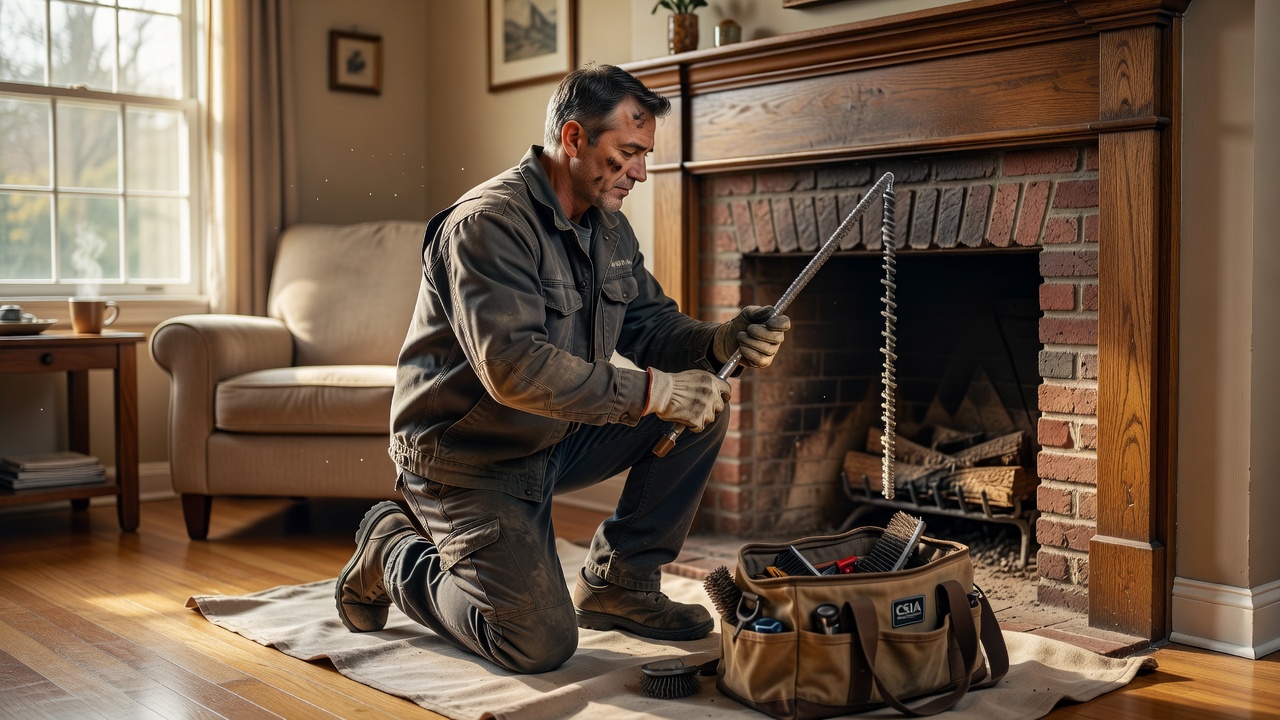
A routine appointment may combine mechanical cleaning with a Level 1 inspection. The inspection evaluates accessible portions of the chimney and venting system, while cleaning removes soot, creosote, and other deposits when necessary.
Depending on the provider and chimney design, the service may include:
-
An assessment of accessible chimney components.
-
Inspection of the firebox, damper, and other accessible areas.
-
Mechanical sweeping when deposits require removal.
-
Collection of soot and debris using suitable equipment.
-
An explanation of findings and recommendations for additional work.
Ask whether the quoted price includes both inspection and cleaning. Some companies price these services separately, while others offer a combined appointment. Also confirm whether you will receive a written summary or photographs of any concerns identified.
A camera scan, extensive structural evaluation, or repair work may be quoted separately. Do not assume these services are included unless the estimate states so.
What Does a Chimney Sweep Cost in Bergen County?
The following figures are general planning ranges drawn from published New Jersey and regional pricing guides, not verified average prices for Teaneck or Hasbrouck Heights. Actual quotes can vary substantially by company and property.
| Service | Illustrative price range |
|---|---|
| Routine chimney sweep with Level 1 inspection | $150–$300 |
| Level 2 inspection with video scan | $250–$500 |
| Chimney cap repair or replacement | $150–$400+ |
| Damper repair or replacement | $200–$500+ |
| Stainless steel flue liner installation | $1,500–$5,000+ |
These figures are not guarantees and may not cover every chimney type or situation. The scope of work, access requirements, materials, and condition of the system can change the final cost.
Request a written estimate that separates the inspection, cleaning, and any recommended repairs. If a company identifies a serious defect, ask for an explanation of the finding and why the proposed repair is necessary before authorizing additional work.
What Factors Affect the Final Price?
1. Creosote and Debris Buildup
A chimney with limited deposits may require less cleaning than one with substantial creosote, animal debris, or an obstruction. Hard or glazed creosote can be particularly challenging and may require specialized treatment in addition to mechanical removal.
There is no single extra charge that applies to every heavily soiled chimney. Ask the technician to explain the condition found and how it affects the proposed work.
2. Type of Fireplace or Heating System
Wood-burning fireplaces, wood stoves, gas appliances, and oil-burning systems have different inspection and maintenance requirements. A gas appliance may produce less creosote than a wood-burning fireplace, but its venting system still needs appropriate inspection.
The type of appliance, flue construction, and service required can all affect the price.
3. Inspection Level
The appropriate inspection level depends on the chimney’s use and circumstances.
A Level 1 inspection is generally appropriate for routine maintenance when the system is accessible and its use has not changed.
A Level 2 inspection is called for in circumstances such as a property sale or transfer, a change to the appliance or fuel, or an event that may have damaged the chimney. It includes a more extensive examination and an interior video scan.
A Level 3 inspection may be needed when a suspected hazard cannot be adequately evaluated without accessing concealed areas.
A more extensive inspection typically costs more because it involves additional work and documentation. Ask the contractor why a particular level is recommended instead of automatically agreeing to the most expensive option.
4. Chimney Height and Accessibility
A tall chimney, steep roof, difficult ladder access, or multiple flues may require additional equipment and labor. The extent of the work depends on the property and the contractor’s safety requirements.
Rather than assuming that a particular neighborhood or home style costs more, ask whether your property’s access conditions affect the estimate.
5. Additional Repairs
An inspection may reveal a damaged chimney cap, deteriorated masonry, a faulty damper, or a compromised liner. These repairs are separate from routine sweeping unless the estimate explicitly includes them.
Some defects need attention before the appliance can safely be used. Others may be maintenance concerns that can be scheduled after the technician explains their severity. Ask for clear findings and a written estimate before approving repairs.
6. Appointment Timing
Chimney companies can experience higher demand before and during the heating season. Booking in advance may give you more scheduling options, while off-season appointments may be easier to arrange.
However, seasonal discounts and price differences are company-specific. Do not assume that a September appointment will cost more than a spring visit without comparing actual quotes.
What Can Homeowners Safely Do Themselves?
Homeowners can handle some basic fireplace upkeep without attempting to perform a full chimney service.
Reasonable maintenance includes:
-
Removing cold ash when appropriate and following the appliance manufacturer’s instructions.
-
Keeping the hearth and surrounding area clear.
-
Checking that the damper operates normally when the fireplace is cool.
-
Keeping records of previous inspections and cleaning.
-
Watching for unusual odors, smoke entering the room, or visible damage.
Chimney sweeping and inspection involve more than cleaning the visible firebox. Avoid climbing onto the roof or attempting repairs to the flue liner, crown, flashing, or other structural components without the necessary training and equipment.
The Chimney Safety Institute of America recommends annual inspections and professional cleaning when necessary. Chemical cleaning products should not replace mechanical sweeping when required or a complete inspection of the system.
Warning Signs Teaneck and Hasbrouck Heights Homeowners Should Know
Some signs indicate that you should arrange a professional assessment rather than wait for the next routine appointment.
Smoke entering the room: This may indicate a blockage, drafting issue, or another venting problem. Stop using the fireplace if smoke repeatedly enters the living space.
Persistent smoky or tar-like odors: These may be associated with creosote, moisture, or airflow problems. Odor alone cannot determine the cause or severity.
White staining on exterior brick: Efflorescence can indicate moisture moving through masonry. A professional can assess possible sources and determine whether repairs are needed.
Debris in the firebox: Pieces of tile or mortar may indicate deterioration within the chimney. Stop using the appliance until the condition has been evaluated.
Visible masonry damage: Crumbling mortar, loose bricks, or significant cracks should be assessed by a qualified professional.
If you suspect a chimney fire, evacuate the home and call 911. Do not use the chimney again until it has been professionally evaluated.
How to Compare Chimney Sweep Quotes
Getting two or three estimates can help you understand the scope and price of the work. Compare more than the bottom-line figure.
Ask each company:
-
Is the technician currently CSIA-certified?
-
Does the quote include inspection, cleaning, or both?
-
Which inspection level is proposed, and why?
-
Is a video scan included if a Level 2 inspection is required?
-
Will additional repairs be quoted separately?
-
Will you receive written findings or photographs?
-
What are the payment terms and any applicable warranty?
You can check credentials through the CSIA website. Certification is a useful qualification to verify, but it is not a guarantee of perfect workmanship. Also ask about appropriate insurance and confirm the company’s registration requirements for any covered home improvement work.
Be cautious of high-pressure sales tactics or recommendations for expensive repairs that are not supported by clear findings. A low quote is not automatically a bargain, and a high quote is not automatically evidence of quality.
Schedule Chimney Service in Teaneck or Hasbrouck Heights
Chimney Hackensack is named as the service provider for this article. Homeowners in Teaneck, Hasbrouck Heights, and nearby Bergen County communities should confirm the company’s current service area, technician credentials, and appointment terms directly.
If the company offers a free inspection, confirm exactly what is included and whether cleaning, a video scan, or a written report costs extra. The original free-inspection offer should be verified with the company before publication.
Whether you need routine maintenance or a more detailed evaluation, ask for a clear explanation of the findings and a written estimate before approving additional work. Comparing the scope of service, qualifications, and costs will help you make a better-informed decision for your home.
Related from Chimney Hackensack NJ: Chimney Sweep in Hackensack — Protecting Bergen County Homes From the · Chimney Sweep in Maywood, NJ