
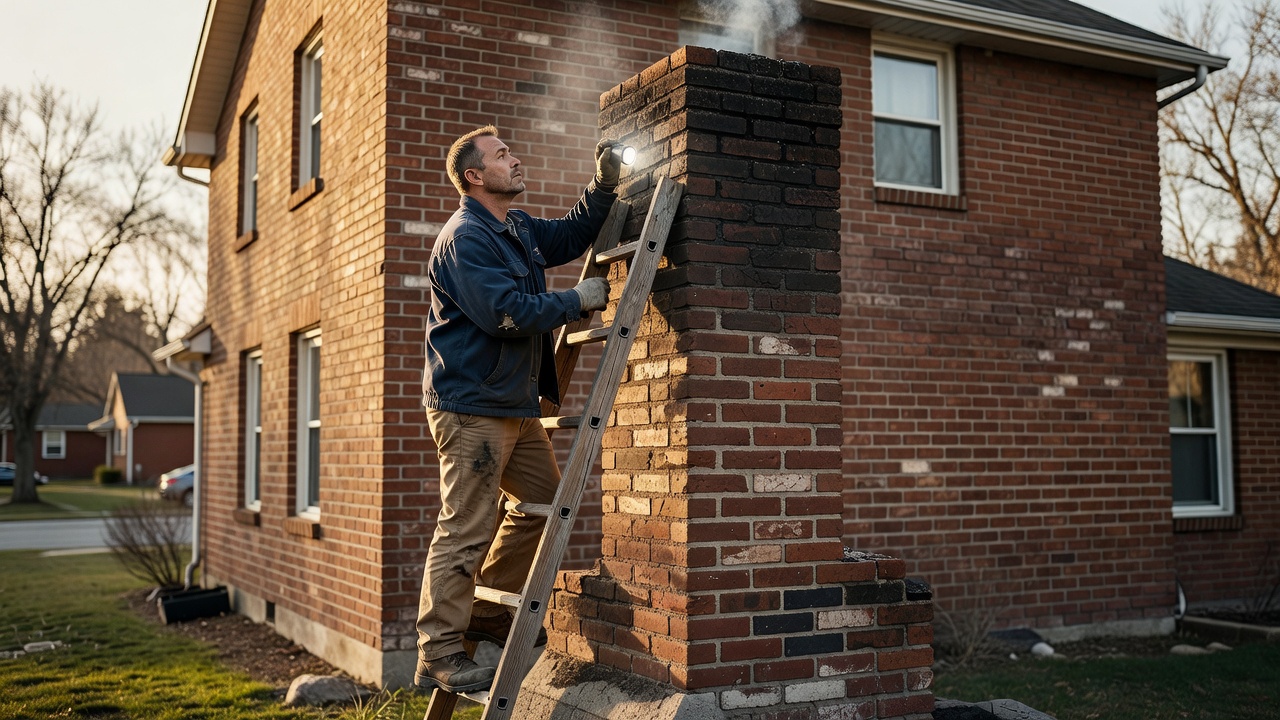
Your Chimney Is Telling You Something: Warning Signs Hasbrouck Heights Homeowners Should Know
Most homeowners in Hasbrouck Heights do not think about their chimney until something goes wrong. But unusual odors, smoke entering the living room, visible masonry damage, or debris in the firebox can signal a problem that deserves attention.
An annual chimney inspection in Bergen County, NJ, can help identify combustible deposits, obstructions, and deterioration before they become more serious. The key is knowing which warning signs to watch for and when to stop using the fireplace until it has been evaluated.
Why Annual Chimney Inspections Matter in Hasbrouck Heights
Chimneys face regular exposure to combustion byproducts, moisture, temperature changes, and outdoor debris. Over time, these conditions can contribute to creosote buildup, deteriorating mortar, damaged liners, and blocked flues.
The Chimney Safety Institute of America (CSIA), following NFPA guidance, recommends having chimneys, fireplaces, and vents inspected at least once a year. Cleaning, maintenance, and repairs should be performed when necessary. Even a fireplace that sees little use may develop an obstruction or deterioration that is not visible from the room.
For homeowners in Hasbrouck Heights, scheduling an inspection before regular winter use is a practical way to identify problems early. An inspection is not just about removing soot. It also helps determine whether the chimney and its connected components appear suitable for continued use.
8 Chimney Warning Signs You Can See, Hear, or Smell
1. White Staining on the Outside of the Chimney
What it may mean: Chalky white staining on brick or masonry may be efflorescence. It forms when moisture carries dissolved minerals to the surface and evaporates.
Efflorescence can indicate moisture movement through masonry, but it does not identify the exact entry point. Water may be getting in through deteriorated mortar, a damaged crown, defective flashing, or another part of the chimney.
Repeated freezing and thawing can worsen existing masonry damage when moisture enters cracks and porous materials.
What to do: Arrange an inspection if the staining persists, especially if you also notice crumbling mortar, loose bricks, or water stains indoors. Do not assume that cleaning the exterior or applying a coating will solve the underlying problem.
2. Smoke Entering the Living Space
What it may mean: Smoke moving into the room instead of rising through the chimney may indicate a blocked flue, a damper that is not fully open, inadequate combustion air, or a draft problem.
Creosote buildup can contribute to restricted airflow, but it is not the only possible cause. A bird’s nest, other debris, or pressure differences inside the home may also interfere with proper venting.
What to do: Stop using the fireplace until the cause has been identified. If smoke is heavy or there is an immediate fire hazard, get everyone outside and call 911. If a carbon monoxide alarm sounds, leave the home and contact emergency services.
3. An Unusual Odor Coming From the Fireplace
What it may mean: A persistent smoky, tar-like, or damp odor can have several causes. Creosote deposits may produce a noticeable smell, particularly when humidity changes or air moves down the chimney. Moisture, debris, and airflow problems can also contribute.
An odor alone cannot establish how much creosote is present or whether the chimney is about to catch fire. However, a new or persistent smell deserves attention, particularly if the fireplace has not been inspected recently.
What to do: Arrange an inspection to determine whether cleaning or another repair is needed. If you suspect smoke or combustion gases are entering the home, stop using the fireplace until it has been assessed.
4. Visible Cracks in the Firebox or Mortar Joints
What it may mean: Cracks in firebrick or mortar can result from age, heat exposure, moisture, or movement in the masonry. Their significance depends on the location, depth, and extent of the damage.
Small surface cracks do not always indicate an immediate emergency, but larger gaps, crumbling mortar, loose bricks, or damaged firebox components should not be ignored. A visual check of the firebox alone cannot establish the condition of the hidden flue liner.
What to do: Have visible deterioration assessed before using the fireplace if the damage appears substantial or you are unsure of its severity. Do not attempt to patch significant damage with ordinary household mortar or sealant.
5. Pieces of Tile or Ceramic Debris in the Firebox
What it may mean: Pieces of clay tile or similar material may come from a deteriorating flue liner, although the source should be confirmed. A damaged liner can compromise the chimney’s ability to contain and vent combustion products safely.
Carbon monoxide is an odorless gas. A defective or obstructed venting system can allow dangerous combustion gases to enter living spaces.
What to do: Stop using the fireplace and arrange a professional inspection before lighting another fire. If a carbon monoxide alarm sounds or anyone experiences possible symptoms of exposure, leave the home and contact emergency services.
6. A Damper That Feels Loose or Will Not Open Fully
What it may mean: A damaged, obstructed, or malfunctioning damper can interfere with proper fireplace operation. If the damper does not open fully, it may restrict smoke flow. If it does not close properly when the fireplace is not in use, it may allow unwanted air movement through the chimney.
A stiff damper does not automatically mean the chimney is unsafe, but it should be checked before the fireplace is used.
What to do: Confirm that the damper is fully open before lighting a fire. If it is stuck, damaged, or will not open completely, do not use the fireplace until the issue has been addressed.
7. Rust on the Damper or Other Fireplace Components
What it may mean: Rust can indicate moisture exposure or condensation. Its significance depends on the component affected and the extent of corrosion.
Surface rust may be relatively minor, while extensive corrosion can interfere with the operation of metal components. Rust accompanied by water stains, crumbling masonry, or recurring dampness may indicate a larger moisture problem.
What to do: Ask a chimney professional to assess the affected parts and investigate possible moisture sources. Replacing or cleaning a component without identifying the cause may not prevent the problem from returning.
8. Dark Staining Near the Chimney or on the Ceiling
What it may mean: Dark staining around the fireplace, chimney exterior, or nearby ceiling may come from soot, moisture, or another source. The stain alone does not prove that the flue liner is breached or that combustion gases are escaping.
Water intrusion can damage surrounding materials, while soot deposits may indicate a combustion or venting problem that needs investigation.
What to do: Arrange an inspection to identify the source. If staining is accompanied by smoke entering the room, a strong unexplained odor, or a carbon monoxide alarm, stop using the fireplace and follow the appropriate emergency precautions.
Which Warning Signs Need Immediate Attention?
Not every chimney concern requires the same response. Use these general guidelines to decide what to do next.
-
Possible emergency: A suspected chimney fire, flames or heavy smoke coming from the chimney, a carbon monoxide alarm, or significant smoke entering the home. Get everyone outside and call 911.
-
Stop using the fireplace pending assessment: Pieces of possible flue liner in the firebox, a damper that will not open fully, substantial firebox damage, or recurring smoke spillage.
-
Arrange a prompt inspection: Persistent odors, white masonry staining, rust, minor cracking, or dark staining without signs of an immediate emergency.
Do not wait until the next heating season to investigate a recurring problem. At the same time, avoid assuming that every stain or odor means the chimney is about to fail. A qualified professional can assess the condition and explain what work, if any, is necessary.
What Does an Annual Chimney Inspection Include?
A Level 1 inspection generally examines readily accessible portions of the chimney, fireplace, and connected system. The technician checks for obstructions, combustible deposits, and visible damage.
A Level 2 inspection involves a more detailed examination of accessible areas and includes video scanning of the flue when feasible. It is generally appropriate when a property is sold or transferred, certain appliance or fuel changes occur, or an event or malfunction may have damaged the chimney.
A camera is not automatically required for every routine Level 1 inspection. The inspection level should be based on the system’s history and the conditions that need to be evaluated.
A qualified chimney professional should explain which inspection level is appropriate, document significant findings, and distinguish necessary repairs from optional recommendations.
When Should Hasbrouck Heights Homeowners Schedule an Inspection?
The most practical time is before regular fireplace use begins for the season. Scheduling ahead of colder weather can also make it easier to plan maintenance without waiting until the fireplace is needed.
Homeowners in Hasbrouck Heights and nearby communities such as Teaneck, Maywood, and Lodi should consider an inspection if the chimney has not been checked in the past year, the maintenance history is unknown, or any warning signs have appeared.
Even if the fireplace has seen little use, an annual inspection can identify obstructions and deterioration that may otherwise go unnoticed.
Schedule a Chimney Inspection in Hasbrouck Heights, NJ
If you have noticed smoke entering the room, unusual fireplace odors, visible masonry damage, or debris in the firebox, arrange an assessment before using the fireplace again when a potentially unsafe condition is present.
Chimney Hackensack is named in the original service information for this article. Before publication, confirm its current service area, whether its technicians hold active CSIA certification, and whether a free inspection is genuinely available.
Ask what the inspection includes, which inspection level is recommended, and whether cleaning or repairs would be priced separately. A clear explanation of the findings helps you make an informed decision about your home’s chimney.
Related from Chimney Hackensack NJ: Your Chimney Is Telling You Something · Chimney Sweep in Hackensack — Protecting Bergen County Homes From the · Chimney Cap Installation Bogota NJ