
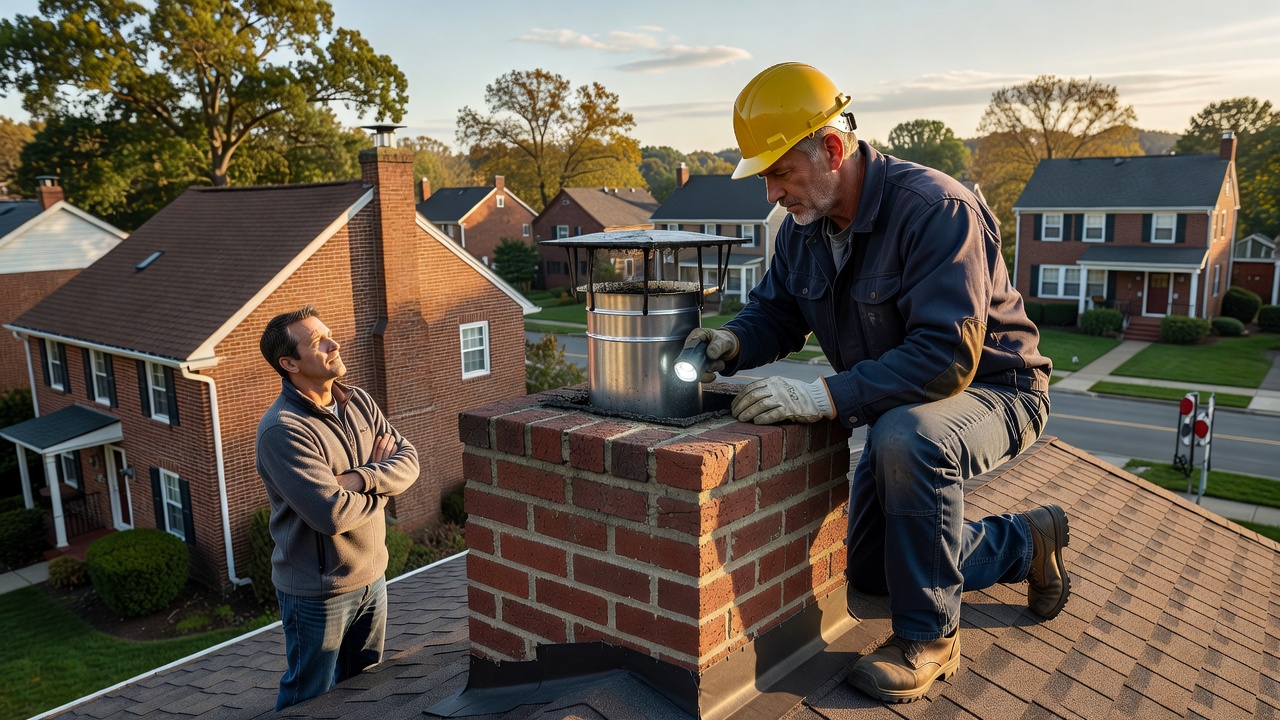
How to Hire a Chimney Liner Repair Contractor in Hackensack Without Getting Burned
Most homeowners in Hackensack and throughout Bergen County don’t think about their chimney liner until something goes wrong.
Maybe a cracked clay flue tile appears during an inspection, a carbon monoxide detector sounds unexpectedly, or a home sale is delayed because the buyer’s inspection uncovers a deteriorated chimney liner.
At that point, you’re suddenly searching for a chimney liner repair contractor without knowing what qualifications to look for or what a reasonable price should be.
This guide explains what chimney liner repair actually involves, what separates qualified contractors from less experienced ones, and how to make an informed decision without paying for unnecessary work.
Why the Chimney Liner Matters More Than Most Homeowners Realize
A chimney liner performs two critical safety functions.
First, it safely directs combustion gases including carbon monoxide out of your home.
Second, it creates a protective barrier between the intense heat inside the flue and the combustible framing surrounding the chimney.
According to NFPA 211, every residential chimney should have an intact, properly functioning liner.
The Chimney Safety Institute of America (CSIA) also recognizes damaged or missing chimney liners as a significant contributor to chimney-related house fires.
Many homes throughout Bergen County built before 1980 still use original clay tile liners.
Years of New Jersey’s freeze-thaw cycles gradually crack these tiles, allowing deterioration that often goes unnoticed until a professional inspection.
Homes that have been converted from traditional fireplaces to gas inserts may face an additional issue.
In many cases, the original chimney liner was never resized or evaluated after the appliance was changed.
What the Chimney Liner Repair Process Actually Looks Like
Every chimney liner repair should begin with a proper inspection.
According to NFPA 211, this generally means a Level 2 chimney inspection, which includes a camera scan of the entire flue.
A reputable contractor should show you the inspection footage rather than relying on a single photograph taken from the top of the chimney.
What the camera reveals determines the appropriate repair.
Minor, isolated cracks in otherwise sound masonry may sometimes be repaired using approved high-temperature sealants or localized liner restoration.
However, those situations are relatively uncommon.
More often, contractors recommend one of two solutions:
- A stainless steel chimney liner
- A cast-in-place chimney liner system
A stainless steel liner is the most common repair throughout the Hackensack area.
Flexible or rigid stainless steel liners are inserted through the existing flue and connected directly to the fireplace or heating appliance.
Depending on the fuel source:
- 316L stainless steel is commonly recommended for wood- and oil-burning appliances.
- 304 stainless steel is typically appropriate for many gas appliances.
Most installations are completed in a single day.
Cast-in-place liner systems involve forming a new insulated liner inside the existing chimney using specialized cement-based materials.
Although highly effective for severely deteriorated masonry chimneys, they are generally less common throughout Bergen County.
A complete installation should include:
- Roof access
- Removal of the existing chimney cap
- Installation of the new liner
- Proper sealing at the chimney top
- Connection to the appliance
- Draft testing before the work is complete
Credentials That Actually Matter
Unlike electricians and plumbers, chimney contractors in New Jersey are not licensed by the state.
That makes nationally recognized certifications especially important.
Look for technicians who hold CSIA Certified Chimney Sweep (CCS) certification.
The certification demonstrates training in nationally recognized chimney codes, inspection procedures, and repair standards.
If your project involves a gas fireplace insert or gas appliance, National Fireplace Institute (NFI) certification provides additional expertise in appliance venting.
You should also verify that the contractor carries:
- General liability insurance
- Workers’ compensation insurance
Request a current certificate of insurance before work begins.
Having your property listed as the certificate holder provides additional protection if an accident occurs during the project.
Questions to Ask Before Signing a Contract
These questions often reveal the difference between experienced chimney professionals and contractors with limited expertise.
What type of liner are you recommending, and why?
The contractor should clearly explain the difference between 304 and 316L stainless steel and recommend the appropriate material based on your heating appliance.
Can I see the camera inspection footage?
Recommendations should always be supported by visible evidence rather than verbal descriptions alone.
Is the liner properly sized for my appliance?
Correct liner sizing depends on appliance type, BTU output, flue height, and vent connector dimensions.
Improper sizing can reduce draft performance and create safety concerns.
What does the warranty actually cover?
Some warranties are provided by the liner manufacturer, while others come from the installation contractor.
Understanding the difference is important before making a decision.
Will permits be required?
Some Bergen County municipalities require permits for chimney liner installations.
A qualified contractor should know the local requirements and explain whether permits apply to your project.
Warning Signs You Shouldn’t Ignore
A few warning signs should immediately encourage you to seek another opinion.
Be cautious if:
- The written estimate simply says “chimney repair” without specifying materials or the scope of work.
- A contractor recommends expensive repairs before performing a camera inspection.
- The proposal doesn’t identify liner dimensions, material specifications, or installation details.
It’s also wise to be cautious of unsolicited door-to-door chimney contractors following the first cold weather of the season.
Consumer protection agencies have documented cases in which homeowners were pressured into unnecessary chimney repairs after exaggerated inspection claims.
If you’ve recently had your chimney inspected and another contractor suddenly identifies major damage, ask to review the camera footage and consider obtaining a second opinion before authorizing repairs.
Comparing Estimates the Right Way
Throughout northern New Jersey, stainless steel chimney liner installations generally range from $1,500 to $4,500, depending on:
- Chimney height
- Flue diameter
- Accessibility
- Installation complexity
Cast-in-place liner systems typically range from $3,000 to $6,000 or more, depending on the extent of the restoration.
When comparing estimates, don’t focus only on the final price.
Ask each contractor to specify:
- Liner manufacturer
- Model number
- Stainless steel alloy
- Liner gauge
- Total installed length
- Warranty coverage
- Labor included in the estimate
Two estimates with very different prices may actually represent completely different products.
A heavier-gauge liner backed by a longer manufacturer warranty often provides substantially greater long-term value than a lower-priced installation using thinner materials.
Choose a Contractor Who Explains the Process
If you’ve received an inspection report recommending chimney liner repair in Hackensack or anywhere throughout Bergen County, the next step should be a comprehensive on-site evaluation performed by a CSIA-certified chimney professional.
A qualified contractor should show you the inspection footage, explain exactly what was found, answer your questions, and recommend only the repairs your chimney actually needs.
Hackensack Chimney proudly provides free chimney inspections for homeowners throughout Hackensack, Teaneck, Maywood, and surrounding Bergen County communities.
Contact us today to schedule your inspection and receive straightforward recommendations, transparent pricing, and professional guidance without unnecessary sales pressure.