
Published November 4, 2026
What Masonry Chimney Repair in Hackensack Actually Involves
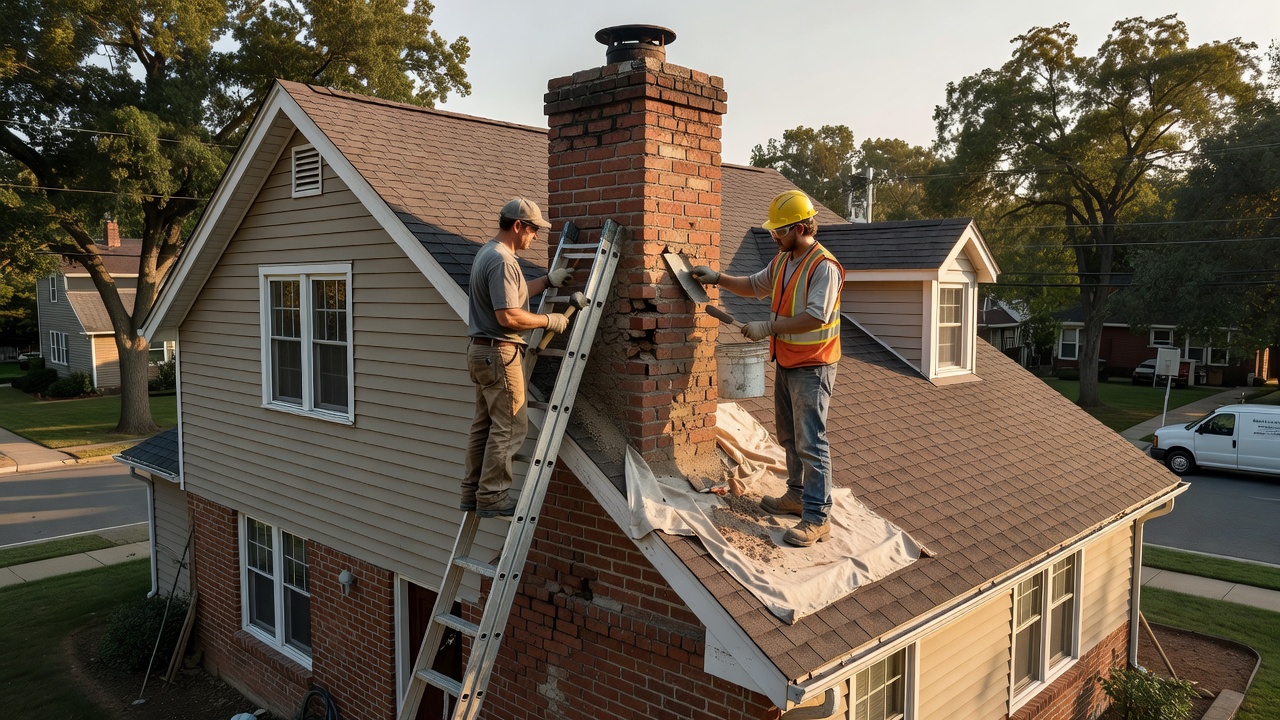
Many homeowners in Hackensack assume masonry chimney repair is a simple patch job. A contractor arrives, applies mortar to visible cracks, and leaves. However, proper chimney repair often involves more than fixing the damage you can see from the ground.
Cracked bricks, deteriorating mortar joints, and water stains can indicate problems that extend beyond the exterior masonry. Without understanding the cause, a repair may address the visible damage while leaving the underlying issue unresolved.
This guide explains what masonry chimney repair involves, how contractors assess the damage, and what Hackensack homeowners should expect when arranging work in Bergen County.
Surface Cracks Are Not the Whole Story
One common misunderstanding about masonry chimney repair is that visible damage tells the entire story. It does not.
Spalling brick, cracked mortar joints, and damaged chimney crowns are signs that a chimney may need attention. However, the inspection may also reveal problems involving the flue liner, flashing, or other components that cannot be evaluated from the ground.
Before recommending repairs, a contractor should assess the chimney’s overall condition. Depending on the situation, this may include examining the exterior masonry, crown, flashing, firebox, and accessible portions of the flue.
A camera inspection may also be appropriate when the condition of the liner needs closer examination. This is particularly important when there are signs of a chimney fire, suspected liner damage, or another condition that warrants a more detailed inspection.
Hackensack has homes with different ages, construction methods, and chimney designs. Rather than assuming every older property has the same problems, homeowners should have their particular chimney evaluated before agreeing to repairs.
Tuckpointing Does More Than Improve Appearance
Another misconception is that tuckpointing is mainly a cosmetic service. In reality, properly performed repointing helps protect masonry by replacing deteriorated mortar joints.
Mortar joints help hold masonry units together while accommodating some movement and moisture exposure. As mortar deteriorates, gaps can develop that allow additional water to enter the masonry.
In New Jersey, repeated exposure to rain, snow, and freezing temperatures can contribute to masonry deterioration. Water entering small cracks or weakened joints can freeze and expand, increasing the damage over time.
Proper repointing involves removing deteriorated mortar to an appropriate depth, cleaning the joints, and installing compatible replacement mortar. The required depth depends on the condition and dimensions of the joints. Simply covering damaged mortar with a thin surface layer may not provide a durable repair.
Mortar selection is equally important. The replacement material should be compatible with the existing brick and mortar. A mix that is too strong or unsuitable for the original masonry can contribute to damage rather than prevent it.
A qualified masonry contractor should evaluate the existing materials before choosing the replacement mortar.
What the Inspection and Repair Process Actually Looks Like
A professional chimney repair project should begin with an assessment of the affected areas. The contractor needs to understand what has deteriorated, what may have caused the damage, and whether other parts of the chimney need attention.
The process may include the following steps.
1. Examine the exterior masonry
The contractor checks the visible brickwork and mortar joints for cracks, loose material, missing mortar, and spalling.
They may also look for signs of moisture intrusion, including white mineral staining, deteriorating brick faces, and water-related discoloration.
2. Inspect the chimney crown and flashing
The crown protects the top of the masonry chimney from water entry. Cracks or deteriorated sections can allow moisture to reach the masonry below.
Flashing seals the area where the chimney passes through the roof. If it becomes loose, damaged, or improperly sealed, water may enter the roof structure.
Both components should be assessed when the inspection suggests a possible moisture problem.
3. Assess the flue liner and fireplace components
If the chimney serves an active fireplace or heating appliance, the contractor should consider the condition of the liner and other relevant components.
A video scan may be recommended when there is suspected liner damage or when the circumstances call for a Level 2 inspection. The appropriate inspection level depends on the system’s history and the reason for the evaluation.
A masonry repair estimate should not automatically assume that exterior brickwork is the only issue.
4. Prepare a written repair estimate
Once the assessment is complete, the contractor should explain the findings and identify the work being recommended.
Depending on the condition, the estimate may include:
-
Partial or full masonry repointing
-
Replacement of damaged bricks
-
Chimney crown repair or replacement
-
Flashing repair
-
Chimney cap replacement
-
Flue liner repair or replacement
-
Waterproofing, when appropriate
Each task should be described separately, with its expected cost and scope. This makes it easier to compare estimates and understand what the project actually includes.
5. Complete the repair and review the work
The repair process depends on the materials and damage involved. Repointing requires careful mortar removal, joint preparation, and proper application of the replacement material.
Crown repairs and flashing work require different materials and techniques. Liner repairs may involve a separate chimney specialist.
After the work is complete, the contractor should explain what was repaired and provide photographs or documentation when available.
Waterproofing Is Not Always Necessary
Waterproofing is sometimes recommended after masonry repairs, but it should not automatically be treated as part of every chimney project.
Masonry can absorb moisture, and certain vapor-permeable water repellents may help reduce water penetration when used appropriately. However, a coating cannot replace necessary repairs to a damaged crown, failed flashing, open mortar joints, or other sources of water entry.
The product must also be suitable for the existing masonry. A treatment that prevents moisture from escaping can create additional problems.
Ask the contractor why waterproofing is being recommended, which product will be used, and whether the material allows water vapor to escape.
A Repair Today Is Not Necessarily a Repair Forever
Homeowners sometimes assume that repairing a masonry chimney restores it to a condition where no further maintenance is necessary. That is not how masonry systems work.
Even properly completed repairs remain exposed to rain, wind, temperature changes, and normal aging. Mortar joints, crowns, flashing, and other components can deteriorate again over time.
The Chimney Safety Institute of America (CSIA) recommends annual chimney inspections. This guidance remains relevant after repairs because an inspection can identify developing problems before they become more extensive.
Some conditions also require more than ordinary masonry work. A chimney that is visibly leaning, has significant structural cracks, or shows signs of substantial movement may need evaluation by a qualified structural engineer.
If you notice these warning signs, do not assume that repointing alone will solve the problem.
How Chimney Repair Costs Are Determined
The cost of masonry chimney repair in Hackensack depends on the extent of the damage and the work required. A small area of deteriorated mortar is a different project from a chimney that needs extensive masonry restoration and liner work.
Several factors influence the final estimate:
-
Extent of deterioration: A few damaged mortar joints require less work than extensive repointing across multiple chimney faces.
-
Brick condition: Individual damaged bricks may need replacement if they are cracked, loose, or severely spalled.
-
Chimney height and access: Tall chimneys and steep rooflines may require additional equipment, setup, and labor.
-
Crown condition: Minor cracks may be repairable, while extensive deterioration may require crown replacement.
-
Flue liner condition: A damaged liner can involve a separate repair or relining project.
-
Water intrusion: If moisture has affected multiple chimney components, the contractor may recommend several related repairs.
When requesting estimates, ask the contractor to separate inspection costs from repair costs and list each recommended task individually.
Avoid vague descriptions such as “complete chimney repair” without an explanation of what the work includes. A detailed estimate gives you a clearer basis for comparing contractors and deciding which repairs are necessary.
How to Choose a Qualified Chimney Repair Contractor
Choosing the right contractor is just as important as identifying the problem. Chimney repair can involve masonry, roofing, fireplace systems, and venting components, so the contractor should have experience with the specific work being proposed.
Consider these points before hiring:
Check credentials and experience
The Chimney Safety Institute of America offers certification for chimney professionals. CSIA certification is a useful credential when evaluating contractors who perform chimney inspections and sweeping.
The National Fireplace Institute also offers professional credentials for hearth and fireplace specialists.
These credentials are useful indicators of training, but they do not automatically establish expertise in every type of masonry restoration. Ask about the contractor’s experience with the specific repair your chimney needs.
Verify New Jersey registration
New Jersey requires businesses performing covered residential home improvement work to register with the Division of Consumer Affairs, unless an exemption applies.
Masonry chimney repair generally falls within the type of residential repair work covered by the state’s home improvement contractor requirements. Ask for the company’s current registration information and verify it through the state.
You can review the requirements through the New Jersey Division of Consumer Affairs: https://www.njconsumeraffairs.gov/HIC/Pages/FAQ.aspx
Ask for insurance and a written contract
Request proof of appropriate insurance before work begins. Ask for a written estimate that describes the damage, proposed repairs, materials, price, and expected schedule.
A contractor should be able to explain why a particular repair is necessary rather than relying on vague warnings or pressure to approve additional work immediately.
Signs Your Hackensack Chimney May Need Repair
Some warning signs are visible from inside or outside the home. They do not automatically indicate a major repair, but they deserve attention.
Look for:
-
Cracked or missing mortar between bricks
-
Brick faces that are flaking or breaking away
-
Large cracks in the chimney crown
-
White mineral staining on exterior masonry
-
Loose bricks or pieces of mortar around the chimney base
-
Water stains on ceilings or walls near the chimney
-
Rust or deterioration around visible metal components
-
Unusual fireplace odors or smoke entering the room
If smoke repeatedly enters the living space or you suspect a flue obstruction or damaged liner, stop using the fireplace until it has been evaluated. Keep working smoke and carbon monoxide alarms in the home.
Schedule a Chimney Inspection in Hackensack
If your chimney has cracked bricks, deteriorating mortar, water stains, or other visible damage, start with a professional assessment. Identifying the cause helps determine whether you need tuckpointing, crown repair, flashing work, liner service, or a combination of repairs.
For homeowners in Hackensack and the surrounding Bergen County communities, a detailed inspection and written estimate provide a clearer understanding of the work involved.
We offer free inspections. Contact us to schedule an appointment and confirm which services are available in your area.
Related from Chimney Hackensack NJ: Chimney Sweep in Hackensack — Protecting Bergen County Homes From the · Masonry Chimney Repair Hackensack NJ